
100% AUTHENTIC
Vintage
Vintage
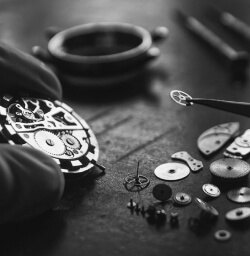
Vintage Rolex Explorer: Complete Collector's Guide
The vintage Rolex Explorer spans four decades and a dozen references — from the earliest 6350 that first carried the Explorer name in 1953 to the transitional 14270 that bridged vintage and modern production in the 1990s. Each reference reflects a different era of Rolex manufacturing, and each plays differently on the collector market.
The 1016 gets most of the attention. That's fair — twenty-six years of production, multiple dial variants, and a case design that defines what the Explorer looks like. But the references that came before it and the one that followed it are part of the same story, and understanding all of them matters if you're collecting seriously.


Sell Vintage Rolex Explorer: Complete Collector's Guide

Sell Vintage Rolex Explorer: Complete Collector's Guide
-
Quote
-
Label
-
Offer
-
Payment
- Have Similar Item To Sell
- Instant Offer
- Immediate Payment
The First Explorers: References 6350, 6150, and 6098
The Everest expedition in 1953 gave Rolex the story. The Explorer name came shortly after — applied first to the reference 6350, a 36mm Oyster case with the now-iconic 3-6-9 dial layout. The 6350 was the first watch to carry "Explorer" on the dial. Earlier references that went up the mountain — the 6098 and 6150 — are sometimes called "Pre-Explorer" Explorers by collectors. They have the same case architecture but no Explorer text on the dial.
These earliest references are museum-grade pieces. Production numbers were small, surviving examples in original condition are rare, and authentication requires specialist knowledge that goes beyond standard vintage Rolex expertise. The 6098 and 6150 appear at auction occasionally. The 6350 somewhat more frequently.
Pre-owned prices for original-condition examples: $30,000 to $100,000+ depending on reference, dial condition, and provenance. These are watches that sell at Christie's and Phillips, not through standard dealer inventory. If one crosses our desk, we treat it accordingly.
Rolex Explorer 6610
The 6610 replaced the 6350 around 1953 and ran until approximately 1963 when the 1016 took over. The reference is significant for collectors because it bridges the earliest Explorers and the long-running 1016 — the case evolved, the crown guards appeared on later examples, and the dial design settled into the format that would define the Explorer for the next sixty years.
The 6610 used the caliber 1030, an automatic movement with the distinctive Rolex butterfly rotor. Dials came in both gilt (gold printing on gloss black) and later matte configurations. Gilt-dial 6610s with original lume and clean printing are the most sought-after examples.
Pre-owned Rolex Explorer 6610: $15,000 to $35,000 depending on dial type, condition, and originality. The overlap with early 1016 pricing makes dial authentication critical — you're paying for the specific reference as much as the condition.
Rolex Explorer 1016
The reference that defines vintage Explorer collecting.
Every major Rolex reference has a vintage equivalent that collectors chase. The Submariner has the 5513 and 1680. The Daytona has the 6239 and 6263. The Explorer has the 1016.
The 1016 holds its position because of what it isn't: no date window, no complication, no colored bezel, no cyclops lens. It's a watch that relies entirely on proportions, finish, and legibility. When those things are right — when the dial is original, the case is unpolished, and the lume has aged naturally — the 1016 has a visual presence that no current-production reference replicates.
Dial Variants
The 1016 is collected primarily by dial variant. The differences between them are subtle and dramatically affect value.
Gilt Gloss Dial (1963–1966) — The earliest 1016 dials. Gold-printed text on a glossy black surface. The most collected variant. These dials develop a patina over sixty years that ranges from subtle browning to dramatic tropical color shifts. Clean examples with original gilt printing: $25,000 to $40,000+.
Matte Dial (1966–1989) — The longer-running variant. White-printed text on a matte black surface. The matte dial went through several iterations with minor text and font changes that dial collectors track carefully. Clean matte examples: $15,000 to $25,000 depending on era and condition.
Mark I through Mark IV — Collectors categorize matte dials into sub-variants based on font size, text spacing, and lume plot shape. The differences are often measured in fractions of a millimeter. This level of granularity matters at the top of the market where a correctly identified Mark I dial commands a premium over a Mark III.
Lume Types
The lume on the 1016 changed three times during production, and each type tells you something specific about the watch's age and originality.
Radium (earliest examples) — Pre-1963 Explorers and the very first 1016 examples used radium-based luminous material. These are rare enough that most collectors never encounter one.
Tritium (1963–late 1990s production) — The majority of 1016s have tritium lume. Tritium decays over time and stops glowing after approximately 25 years. Original tritium plots develop a warm cream or caramel color that collectors prize. Replaced tritium lume is often whiter and more uniform — a reliable tell for non-original dials.
Luminova (very late production, if any) — The transition to Luminova happened as the 1016 was being discontinued. Extremely late examples may have it.
Lume consistency across all hour markers and hands is one of the quickest authenticity checks. If the lume on the hands is a different color than the lume on the dial markers, something has been replaced.
Movement History
The 1016 ran through three movements during its production:
The caliber 1560 in early production. The caliber 1570 from approximately 1965 onward — the most common movement in 1016s and one of the most reliable Rolex calibers ever made. The caliber 3000 in the very last examples from 1988-1989, which is rare and less commonly seen.
The 1570 is the movement most buyers will encounter. It's well-documented, widely serviced, and parts remain available. A recently serviced 1570 runs well within acceptable daily tolerances. If you're buying a 1016 to wear, the movement is not a concern — these are proven calibers with sixty years of service history behind them.
Pre-Owned Rolex Explorer 1016 Prices in 2026
Prices depend primarily on dial variant, dial condition, and overall originality.
Gilt gloss dial, original condition: $25,000 to $40,000+ Matte dial, clean original: $15,000 to $25,000 Matte dial, honest wear, original: $12,000 to $18,000 Refinished dial or replaced hands: $8,000 to $12,000
The price gap between an original-dial 1016 and a refinished one is $5,000 to $15,000. That gap is why authentication on this reference matters more than on almost any other Rolex. A refinished dial that looks clean to an untrained eye can cost you thousands in lost value.
Papers on a 1016 are genuinely rare. Most examples that survive are watch-only, and the market doesn't discount heavily for absence of documentation on a reference this old. What the market does discount is any question about dial or hand originality.
Rolex Explorer 14270: The Transitional Reference
The 14270 replaced the 1016 in 1990 and ran until 2001. It's the bridge between vintage and modern Explorer production — sapphire crystal replaced acrylic, luminova replaced tritium on later examples, and the caliber 3000 movement offered improved accuracy and service intervals.
Early 14270s with tritium dials are collected alongside the 1016 by buyers who want the vintage aesthetic with slightly more modern reliability. Later examples with luminova dials are less collected but more practical as daily wearers.
Pre-owned Rolex Explorer 14270: $5,000 to $8,000. Tritium-dial examples from 1990-1998 command modest premiums over luminova examples. The 14270 is the most affordable entry point into vintage Explorer collecting — close enough to the 1016 in spirit, significantly less expensive.
What to Check Before Buying
Dial originality is the single most important factor. Under magnification, check that the printing is consistent, the lume plots are flat and evenly colored, and there's no evidence of repainting. A genuine original dial shows age — microscopic imperfections, lume that has naturally changed color, text that has maintained its sharpness despite decades. A refinished dial looks too clean for its age.
Hands should match the production period. The correct hand set for a matte-dial 1016 is different from the correct set for a gilt-dial example. Replacement hands are common and sometimes difficult to identify without reference material.
Case sharpness tells you about the watch's polish history. The 1016 case has defined geometry that polishing destroys. Original cases with wear marks are more valuable than polished cases without them — the wear is honest, the polish is permanent damage.
Bracelet — most 1016s came on Oyster bracelets with riveted or folded links depending on era. Original bracelets in good condition add meaningful value. Many 1016s have been re-braceleted over the decades.
Buying a Vintage Rolex Explorer
The 1016 is not a watch to buy casually. The value difference between a correctly authenticated original and a watch with replaced components is measured in tens of thousands of dollars. Work with a dealer who specializes in vintage Rolex and can verify dial, hands, movement, and case against production records for the specific serial number.
Browse our current vintage Rolex Explorer inventory. See our full pre-owned Rolex collection including current Explorer references and Explorer II. Looking to sell a vintage Explorer? We buy pre-owned Rolex watches nationwide.