

Every year a watch site decides to release a list of the most popular Rolex watches. Guess which watches are always in the top three? Surprise, surprise, it's the Submariner, the Daytona and the Datejust. Completely irrelevant to anyone looking to actually buy a Rolex.
I've been trading pre-owned Rolex watches since 2000. So my list is based on a quarter of a century of buying and selling, not on marketing spin. The list is intended to act as a buying guide, an indicator of where the second-hand value of a pre-owned Rolex lies, and most importantly a guide to where collectors are deciding to spend their cash in 2026.
1. Submariner — The One Everyone Means When They Say "Rolex"
Ask someone to close their eyes and picture a watch. They picture a Submariner. Every dealer I've talked to over 25 years confirms this independently, unprompted.
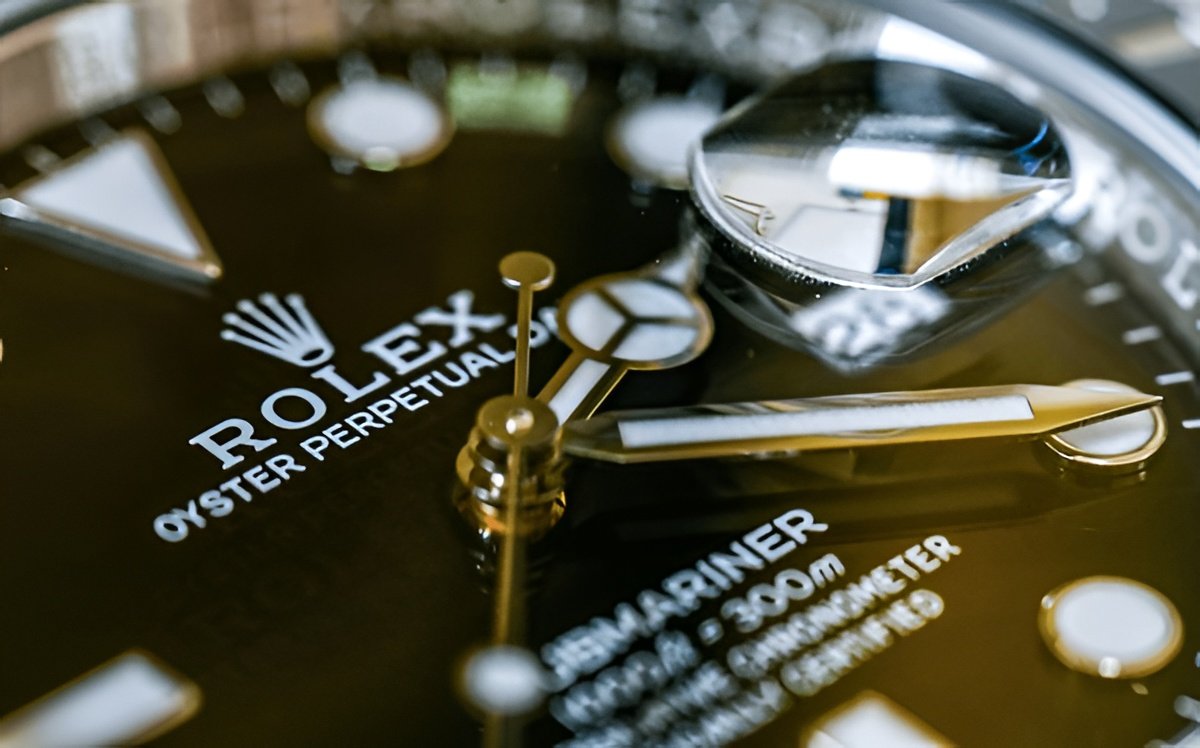
A woman called in November and asked for a gift for her husband's retirement. Her husband had been wanting a Rolex for fifteen years and she couldn't remember which model he wanted. I asked her a couple of questions and put her husband in a Submariner. He wore it to dinner that Friday and she sent me a photo at midnight. That happens with the Sub. It doesn't happen with the other references the same way.
The current 126610LN runs Caliber 3235 with 70 hours of power reserve. Cerachrom ceramic bezel that doesn't fade. 300-meter rating. Bracelet that fits over a wetsuit.
The pre-owned Sub is the most liquid piece in the market — you can get a fair price for it in a week. More than three times as many Submariners have come through this shop than any other reference. Pre-owned runs $8,950–$17,590. These days I'd look to buy a 116610LN — pre-ceramic bezel, Caliber 3135 — for the best value right now.
2. Daytona — The Watch the Market Wants Most
The Daytona is the one Rolex where pre-owned prices have outpaced new ones by a wide margin and have done so for more than a decade. A steel 126500LN can be had at an AD for about $16,550. Pre-owned starts at $28,000. This margin isn't theoretical — it's a function of the fact that demand far exceeds supply, and there's no indication of change from Rolex.
In the early years of its launch, through the 1960s and 1970s, the Daytona sat in stores, largely unsold. Then collectors discovered the Paul Newman dial — a variant of the 6239 known as an exotic dial — and the market dynamics changed dramatically. A Paul Newman Daytona sold at Phillips in 2017 for $17.8 million.
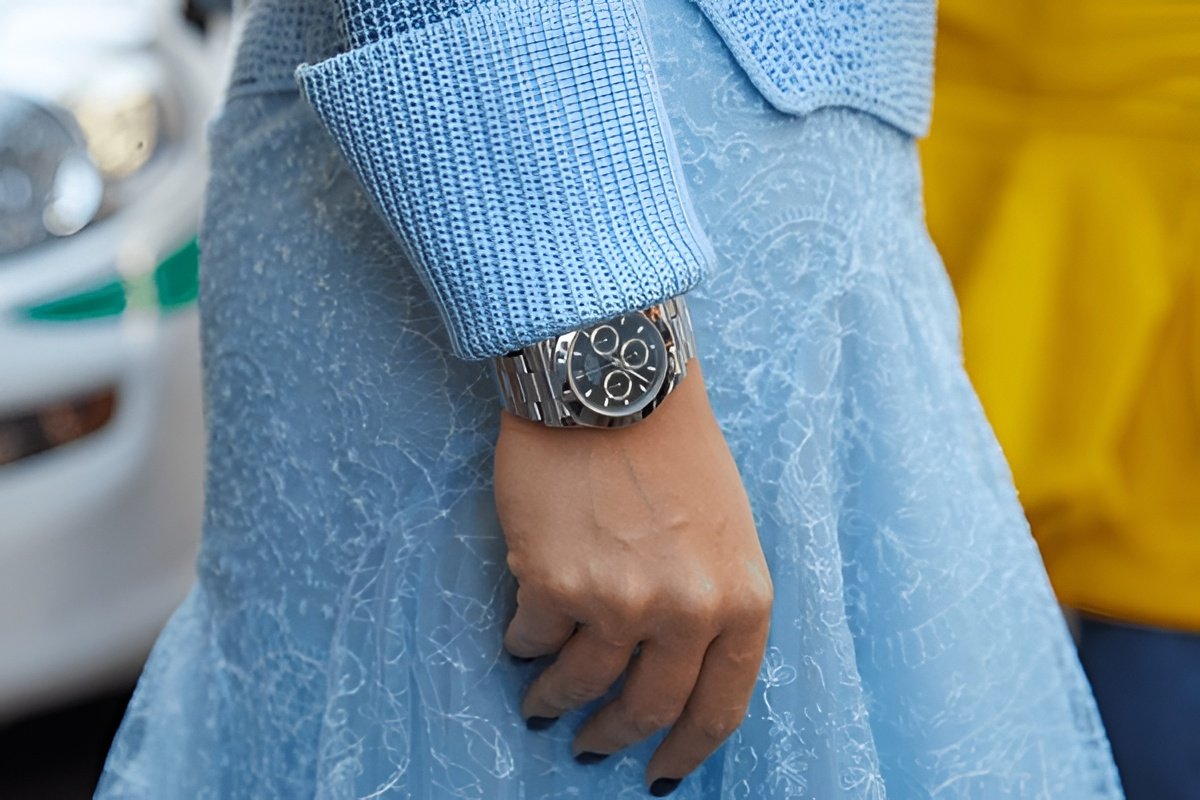
I sold a 116520 with an APH white dial two years ago for $31,500. I bought it from an estate for $24,000. The seller before me purchased it in 2006 for $8,900. I love telling this story to people when they ask if Rolex watches are a good investment. I always counter with the statement that a watch is never a good investment. Both things are true.
Steel starts at $28,590 pre-owned. The 116520 APH white dial and 116500LN ceramic are what serious collectors are looking for. The 6239 Paul Newman is a six-figure watch when it comes to market — and it doesn't come to market very often.
3. Datejust — 80 Years in Production for a Reason
Introduced 1945. Still in production. Nobody credible is predicting that changes.
The Datejust was the first automatic chronometer to show the date in a window on the dial. That was 1945. Since then it's been tweaked and refined until it has changed hardly at all. Whether this is a good thing or not is down to personal opinion.
Available in 28mm through 41mm, steel through platinum, Oyster to Jubilee, plain bezel through diamond set. Hundreds of combinations. It works at the office and it works on a Saturday and it doesn't announce itself walking into a room — which is precisely why it's the bestselling Rolex of all time, and precisely why some serious collectors consider it beneath them. They're wrong.
Pre-owned runs $5,950–$16,950. A two-tone 16013 from the 1980s in honest condition — original lacquer dial, unpolished case, some honest stretch in the bracelet — is about as good a value as this market offers. Interestingly, I've sold more 16013s to people who said they wouldn't choose a Datejust as their first choice than any other reference in that price range.
4. GMT-Master II — The Watch Serious Collectors Actually Wear Daily
Rolex built a watch in 1954 that showed home time and local time simultaneously without any mental arithmetic. The GMT-Master II improved the mechanism so the hour hand sets independently — land in Tokyo, push the crown, spin the hour hand to local time, GMT hand stays anchored to home.
I've been wearing my 116710BLNR as my daily watch for the last six years. It's one of the most asked-for watches by nickname in this shop — people call and ask for "a Batman" instead of "a GMT." The Jubilee on the Batman is better on the wrist than the Oyster. This isn't just opinion — I've given it a week of testing and it's the clear winner.
The "Pepsi" (126710BLRO in white gold) is a whole different buyer — a stunning watch, significant premium for the precious metal case. The two-tone 116713 is the more accessible way into the precious metal GMT world and it moves steadily.
In many ways the GMT is the same watch as the Sub but with a key upgrade: it adds complication without adding visual noise. It's a better daily wear watch for most people's actual lives. Steel references run $12,950–$14,950.
5. Day-Date — Gold or Platinum, No Exceptions
There has never been a steel version. Rolex has never hinted at making one. The Day-Date is 18ct gold or platinum only, always on a President bracelet, full day of the week at 12 o'clock in your choice of 26 languages.
Lyndon Johnson wore one. So did Eisenhower, Nixon, Reagan, and a significant portion of the Fortune 500 throughout the 1970s and '80s. The "President's Watch" nickname was accurate before it was marketing.
The Day-Date is Rolex making a watch with no material constraints — and it shows in every detail. The Caliber 3255 inside is among Rolex's most refined movements. Dials include meteorite, malachite, and onyx. Depending on materials and configuration, the same essential design introduced in 1956 can retail at $20,000 or $80,000.
Gold references run $17,590–$29,590 pre-owned; platinum considerably higher. The yellow gold 36mm — references 118238 and 128238 — is what serious collectors mean when they say "Day-Date" without further specification.
6. Explorer & Explorer II — The Watch That Doesn't Need to Try
You probably don't hear much about the Explorer. There's no bezel to spin, no complicated dial, and few colour options. The watch is basically a 3-6-9 dial in a clean case — pretty much how it's been since 1953, when the first ascent of Everest was made with one on the wrist. So good it didn't need changing.
The 36mm is still in production. That's unusual for Rolex sports references — the trend has been toward larger cases and the Explorer held its ground. Wearing it is the best way to see how effective the smaller size is in a way photos never convey.
The Explorer II was built for cavers and polar expeditions where daylight is no longer a factor. The orange GMT hand on the 226570 may be one of the most divisive features in modern Rolex design. I find it to be one of the most interesting.
Pre-owned runs $7,950–$12,950. The Explorer is arguably the most underpriced significant Rolex reference in the current market. That is about to change.
Last year a collector came in with a Sub and a GMT already at home. He spent time with all three and left with the Explorer. Four months later he called: "I don't know why I almost didn't buy it." I hear that specifically about the Explorer more than any other reference I carry.
7. Sea-Dweller & Deepsea — For Buyers Who Want More Watch Than They'll Ever Need
A Submariner is a dive watch. A Sea-Dweller is what you get when Rolex asks itself: what would a dive watch look like if we removed all practical constraints?
Built for saturation diving — commercial operations where divers lived at pressure for weeks — the Sea-Dweller needed a helium escape valve to survive decompression without blowing the crystal. Standard model rated to 600 meters. The Deepsea (126660) goes to 3,900. James Cameron wore the Deepsea Challenge version to the bottom of the Mariana Trench in 2012.
The D-Blue "James Cameron" dial — gradient from black at 12 to blue at 6 — is the most sought-after variant and harder to find than most buyers expect. I've had clients who wore Sea-Dwellers professionally: offshore work, commercial diving. Those watches look different from desk divers. Different abrasions on the case, different stretch on the bracelet from being worn over a wetsuit. A working tool watch used for actual work has a character that doesn't come from a watch box. We note the distinction in every listing.
Pricing runs similar to Submariner; the Deepsea D-Blue commands a significant premium and moves fast when it comes in.
8. Sky-Dweller — The Most Complicated Watch Rolex Makes
Most buyers shopping for a Rolex have never tried one on — and that's a mistake. The Sky-Dweller may be a complicated watch but it wears much closer to a Datejust than its complication count suggests.
Inside: an annual calendar that auto-corrects for 30-day months and needs one manual adjustment per year in February, plus a dual time zone controlled by the Ring Command bezel. Rotate the outer ring, pull the crown. Both complications respond. Takes one demonstration to understand, disappears into the design after that.
The Sky-Dweller is still a bit of an untold story in watch collecting. It was introduced in 2012 and hasn't had the time it needs to settle in with collectors yet. Pre-owned pricing is reasonable and I expect it to be higher ten years from now. Around $23,590 pre-owned. Reference 336934 comes through our inventory regularly.
I sold one to a buyer who'd spent three months looking at GMTs. I showed him the Sky-Dweller at the end of the appointment and he bought it the same day. That happens with this reference more than you'd think.
9. Air-King — The Right Entry Point
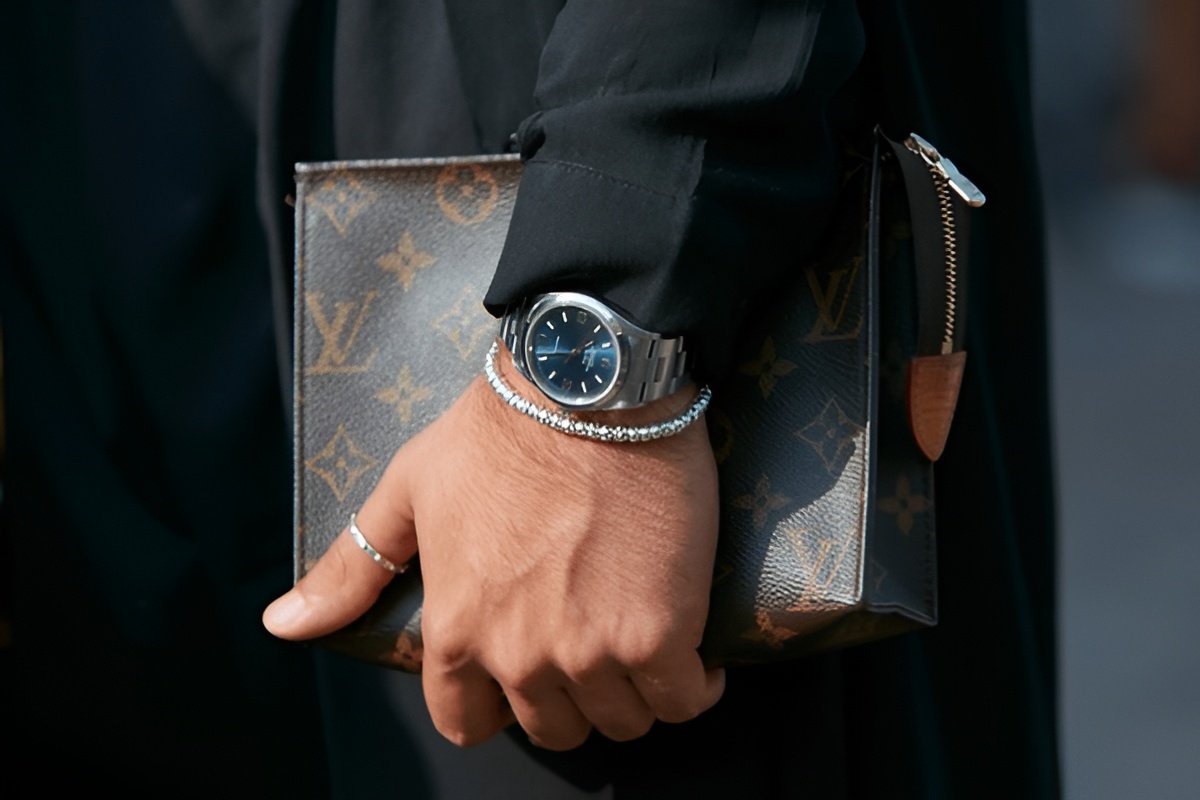
34mm. Simple dial. Correct automatic movement. The most accessible pre-owned Rolex in our inventory.
A client came in last spring. He wanted a Rolex but his budget was around $6,000 and he didn't want to stand in an AD line. I showed him three models. He ended up spending the most time with the Air-King. Left with it. Six weeks later he contacted us and said it's the only watch he wears. Pre-owned prices start at $5,590.
It doesn't photograph the way a Submariner does — and that's actually why the pre-owned price stays reasonable. Collectors who wear Air-Kings instead of photographing them tend to be satisfied with that trade.
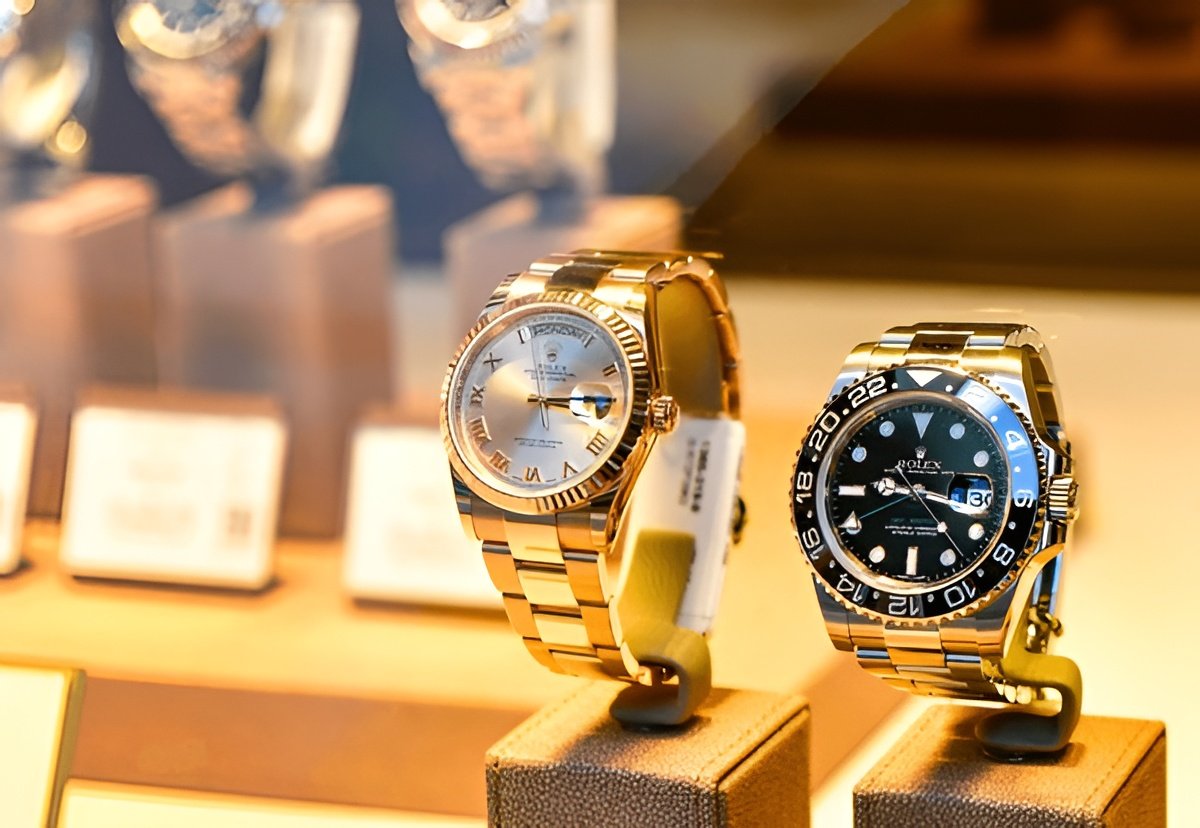
What the Rankings Don't Tell You
Popularity and collectibility aren't always the same thing. One of the best-selling Rolex references of all time is also one that serious collectors largely write off. On the other hand, the Air-King is one of the few references where you can still find an honest 1960s example at a price within reach of most buyers.
Pre-owned prices are moving faster than most people realize. We're currently getting $13,000 for a pre-owned GMT Batman that was $8,000 five years ago. The Explorer is now roughly where the Batman was then.
Buy what you'll wear. Wear it for years. When you decide to sell — we're here.
Current inventory: ermitagejewelers.com/watches/Rolex. Ships nationwide. 404-812-3435.
Independent pre-owned retailer since 2000. Not an authorized Rolex SA dealer. All warranties provided solely by Ermitage Jewelers.