

Two watches. Both steel, both sport, both instantly recognizable. Both will hold value better than almost anything else you could put on your wrist at this price point. The Submariner and the GMT-Master II are the two most debated Rolex purchases in the pre-owned market, and the debate is genuinely interesting because they're more different than they look side by side.
We've sold both for 25 years. Here's how we actually think about the choice.
What Each Watch Was Built For
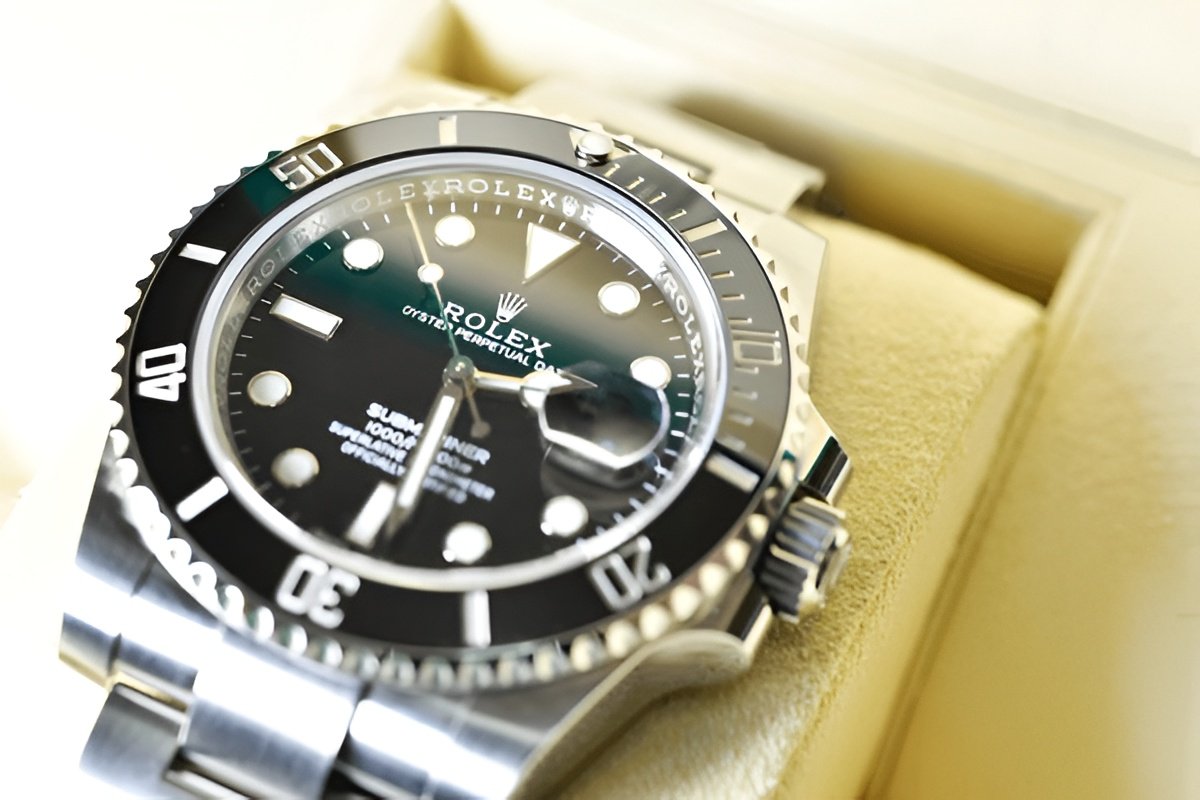
The Submariner was designed in 1953 as a dive watch. Water resistance to 300 meters, a unidirectional rotating bezel to track elapsed dive time, and a case that could take punishment. That brief shaped everything about the watch — the thick crystal, the Mercedes hands, the chunky crown guards. It was built for a specific job and it still looks like it.
The GMT-Master came out of a different brief entirely. Pan American Airways approached Rolex in the early 1950s wanting a watch their pilots could track two time zones simultaneously. The result was a 24-hour rotatable bezel with a fourth hand — the GMT hand — that completes one revolution per day instead of per 12 hours. Point the GMT hand at your home time on the bezel, read the regular hour hand for local time. Simple in principle, genuinely useful in practice.
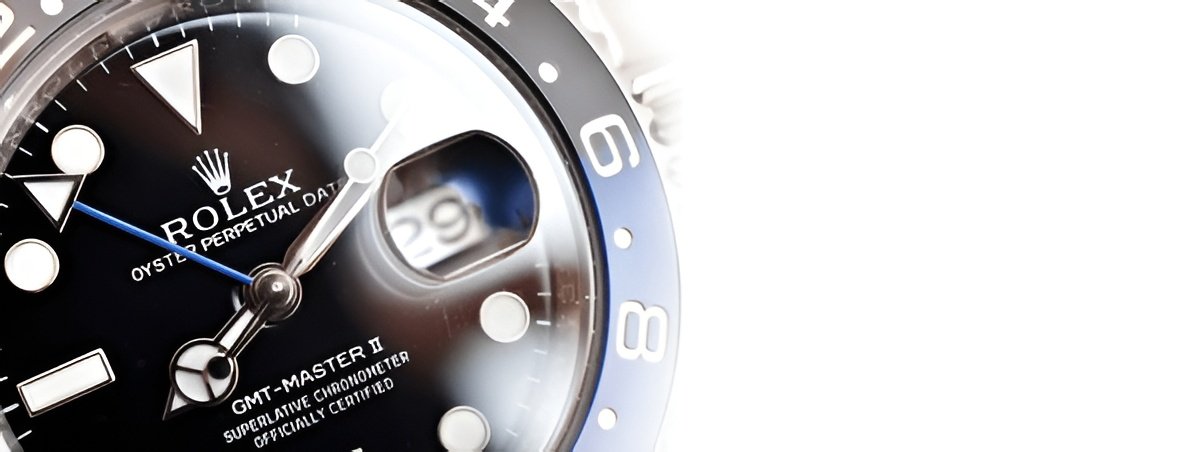
Neither watch does the other's job particularly well. A Sub is not a great pilot's watch. A GMT is not a great dive watch. What they share is that both translate effortlessly off the tool-watch context and onto any wrist, any occasion.
The Case and Wearing Experience
Current references are both 41mm — the Submariner 126610 and the GMT-Master II 126710. They wear differently despite identical diameters. The Sub has a slightly taller case due to the crown guards and thicker crystal. The GMT sits a bit flatter.
On the wrist, most people find the GMT reads as slightly more refined. The two-color bezel — whether Pepsi (red/blue), Batman (black/blue), or Root Beer (brown/gold) — gives it a graphic quality that the Sub's single-color bezel doesn't have. The Sub is more anonymous, which is either an advantage or a disadvantage depending on what you want from the watch.
Both use the Jubilee or Oyster bracelet depending on reference. The GMT on Jubilee in particular has a reputation as one of the best-wearing Rolex configurations — it's what a lot of long-term GMT owners end up with after trying both.
Movement
Current Sub runs the 3235, current GMT runs the 3285 — same generation, same 70-hour power reserve, same Chronergy escapement. The GMT movement has one extra complication by definition, but Rolex has been making it since 1954 and there's nothing exotic about servicing it.
The more relevant question for pre-owned buyers is what's under the dial on older references. Sub: 3135, which ran for decades and is about as bulletproof as mechanical movements get. GMT: 3186, which introduced the Parachrom hairspring and is equally solid. Neither should factor into your decision. If a watchmaker tells you the 3186 is problematic, find a different watchmaker.
Pre-Owned Pricing: Where Things Get Interesting
This is where the decision gets real. The Submariner is more expensive on the pre-owned market despite having a lower retail price. That's not a typo.
A steel Submariner 126610LN (black dial, black bezel) in excellent pre-owned condition runs $10,000 to $13,000 depending on papers and bracelet condition. The green-bezel 126610LV — called the Hulk by some, Kermit by others — commands a similar range. Two-tone Submariners sit above $14,000.
The GMT-Master II in steel typically runs $11,000 to $15,000 for the most desirable references. The Pepsi (126710BLRO) on Jubilee is the most sought-after and sits at the top of that range. The Batman (126710BLNR) runs slightly below. Root Beer references in two-tone gold and steel climb to $18,000 and above.
So the GMT is actually pricier in most configurations. The Sub's reputation as the premium choice comes from brand recognition, not market reality.
One place the Sub wins on value: entry-level. A solid pre-owned Submariner on Oyster bracelet, older reference, honest wear, can be had for $8,500 to $9,500. An equivalent GMT entry point is harder to find below $10,000. If budget is a real constraint, the Sub gives you more room at the bottom.
Who Actually Buys Each
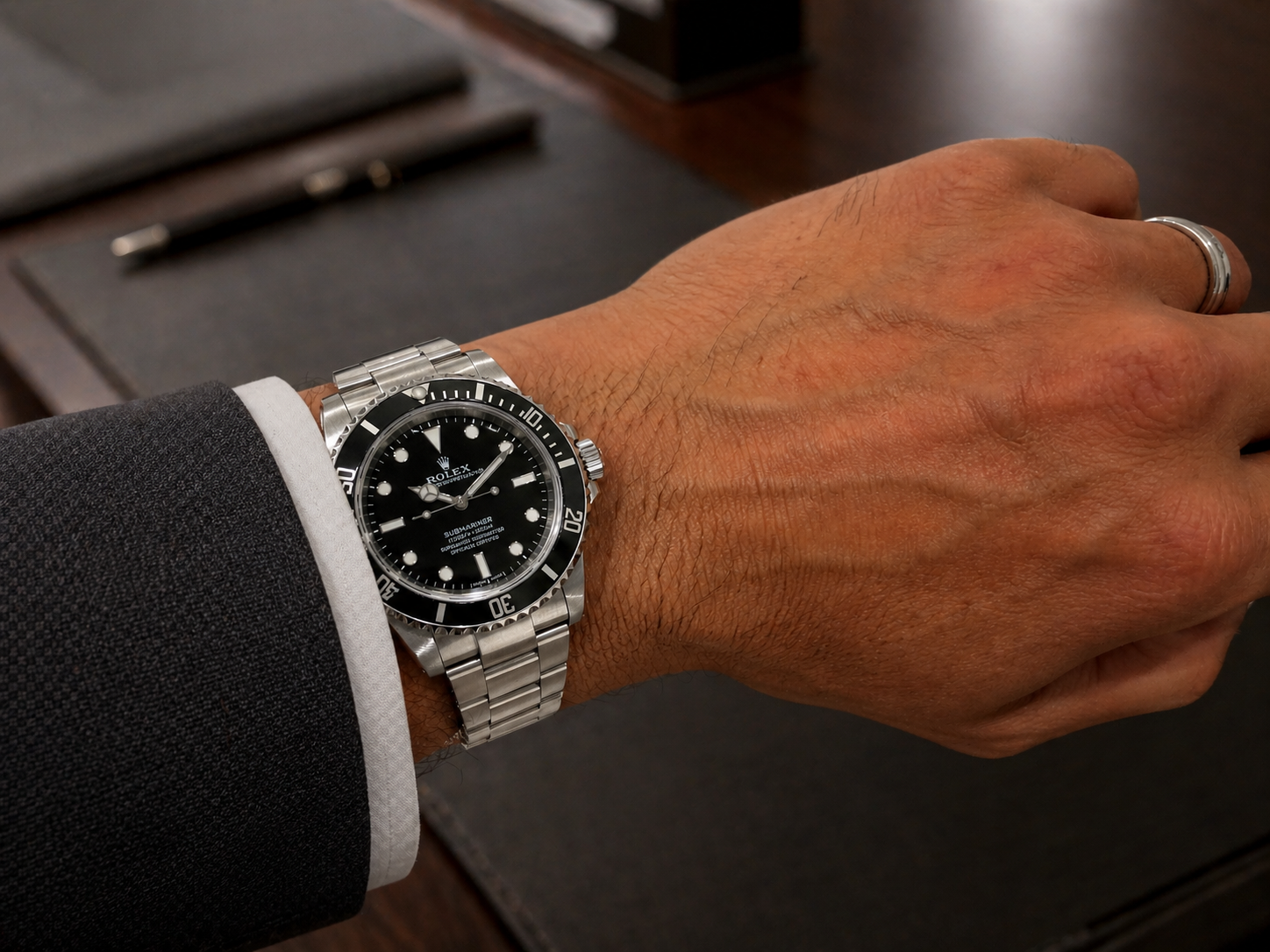
The Sub is mostly bought by people who don't want to think about it. One watch, works everywhere, nobody asks questions. That's not a knock — there's real value in a watch that disappears into your life.
GMT buyers are a more varied group. Frequent travelers who actually use the second time zone are part of it, but honestly a larger portion just wants the bezel. The Pepsi in particular has a visual presence the Sub can't match. We've sold plenty of GMTs to people who haven't crossed a time zone in years. The watch is interesting on its own terms.
The pattern we see most often: someone buys a Sub, wears it for two or three years, then starts looking at GMTs. Not because the Sub disappointed them — because they got curious. The GMT is usually the second Rolex, not the first.
The Honest Comparison
The Submariner is the easier decision. More recognizable, slightly more liquid on resale, works in every context without explanation. First serious watch, only watch, gift for someone else — Sub.
The GMT requires a bit more conviction going in. Not because it's a harder watch to live with — it isn't — but because you should know why you want it. The Pepsi on Jubilee is genuinely one of the best configurations Rolex has produced in the modern era, and if that's what's pulling you, that's a perfectly good reason.
Browse our current pre-owned Rolex Submariner and GMT-Master II inventory — both turn over regularly. Not sure yet? Browse the full pre-owned Rolex collection or read our Rolex model comparisons for more context. Contact us directly if you're after a specific reference; we source for clients and often know what's coming in before it's listed. Looking to sell? We buy pre-owned Rolex watches nationwide.