

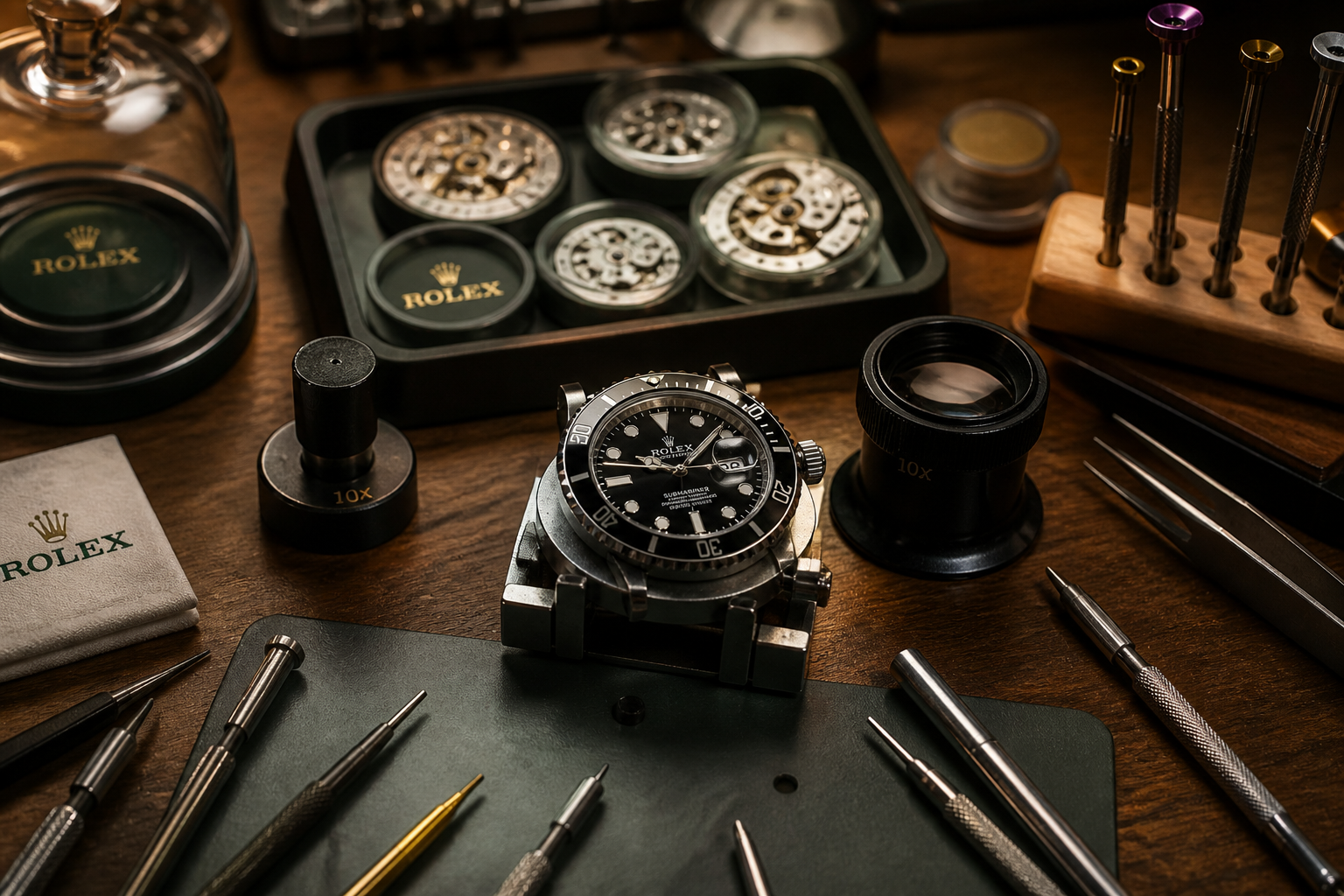
Rolex doesn't sell used watches. Neither does any authorized dealer. The entire secondary market for pre-owned Rolex — a market that processes billions of dollars in transactions every year — exists entirely outside the brand's official distribution system. That's not an accident. It's the predictable result of a company that has spent seven decades producing fewer watches than the world wants to buy.
How a Secondary Market Forms
Every durable good with controlled supply and strong demand eventually develops a secondary market. Concert tickets. Limited sneakers. Allocated bourbon. The pattern is consistent: when the primary market can't clear at official prices, a secondary market emerges to do it at market prices.
Rolex produces approximately 800,000 to 1,000,000 watches per year — a number the company has never officially confirmed but which industry estimates have converged on over time. Against global demand that far exceeds that figure, particularly for the steel sport references, authorized dealers routinely cannot fulfill requests. A buyer who walks into an AD wanting a steel Daytona is told to wait, to build a purchase history, to come back. Many never get the watch.
The secondary market exists to serve that buyer. It aggregates watches from people who bought new and decided to sell, from estates, from collectors who upgraded, from dealers who trade inventory. The result is a liquid, accessible market for watches that the official system can't supply. For a direct comparison of buying new versus pre-owned, see our New vs Pre-Owned Rolex guide.
The Scale Is Larger Than Most People Realize
The global pre-owned luxury watch market was valued at approximately $22 billion in 2023. By most projections it reaches $30 billion or more by 2030. Rolex accounts for a disproportionate share — estimates suggest the brand represents 20 to 30 percent of secondary market transaction volume, which would put Rolex-specific pre-owned sales in the range of $4 to $7 billion annually.
To put that in context: Rolex's estimated retail revenue is roughly $9 to $10 billion per year. The secondary market for its watches is not a footnote — it's an industry nearly half the size of the brand itself, operating entirely outside Rolex's control.
The major platforms reflect this scale. Chrono24, the largest online pre-owned watch marketplace, lists hundreds of thousands of Rolex watches at any given time. Bob's Watches, WatchBox, Crown & Caliber, and hundreds of independent dealers like Ermitage Jewelers collectively process thousands of transactions monthly. eBay's watch category — less curated but enormous in volume — sees Rolex as its single most transacted brand year after year.
Why People Sell Their Rolex
Understanding the supply side of the secondary market explains why it's so deep. Rolex watches enter the secondary market for reasons that have nothing to do with dissatisfaction with the product.
Estate sales are one of the largest sources. Rolex watches are durable enough to outlast their owners, and heirs who inherit them frequently sell rather than keep. A watch bought in 1985 that sat in a drawer for twenty years arrives in the secondary market in remarkable condition — original dial, unpolished case, bracelet with minimal stretch. These are often the best pre-owned examples available.
Upgrades drive significant volume. A buyer who purchased a Datejust 36 in 2010 may want a Submariner in 2020. The 36 goes into the secondary market to fund the purchase. This cycle of trading up is endemic to watch collecting and generates constant supply of mid-range references.
Life circumstances account for the rest. Divorce, financial need, changing taste, a collection that grew too large — watches that were bought with genuine intention to keep them forever end up available pre-owned for reasons that have nothing to do with the watch's quality.
Why Rolex Dominates the Secondary Market
Other luxury watch brands have secondary markets. Patek Philippe, Audemars Piguet, and Omega all trade actively pre-owned. None of them approach Rolex's secondary market volume.
Three factors explain Rolex's dominance. Recognition is the first. Rolex is the most recognized luxury watch brand globally — research consistently places it at the top of consumer awareness surveys across demographics and geographies. A buyer who knows nothing about watches knows what a Rolex is. That recognition creates demand from people who would never consider other luxury brands, which creates liquidity that no competitor matches.
Durability is the second. Rolex builds watches to withstand daily wear for decades. The movements are robust, the cases are thick, the crystals are sapphire. A Rolex bought in 1990 and worn daily is typically still running accurately in 2026 after a service or two. That longevity means the secondary market inventory isn't degraded goods — it's functional watches with decades of remaining useful life.
Value retention is the third, and it's partly circular. Rolex holds its value better than almost any consumer product because buyers believe it will hold its value. That belief creates demand in the secondary market, which creates the liquidity that enables the value retention, which reinforces the belief. The brand has sustained this cycle long enough that it's now self-reinforcing.
What the Market Looks Like Today
The pre-owned Rolex market in 2026 is more professionalized than at any point in its history. Authentication technology has improved. Online platforms have increased price transparency. Independent dealers who built expertise over decades have formalized their processes into structured warranties and inspection protocols.
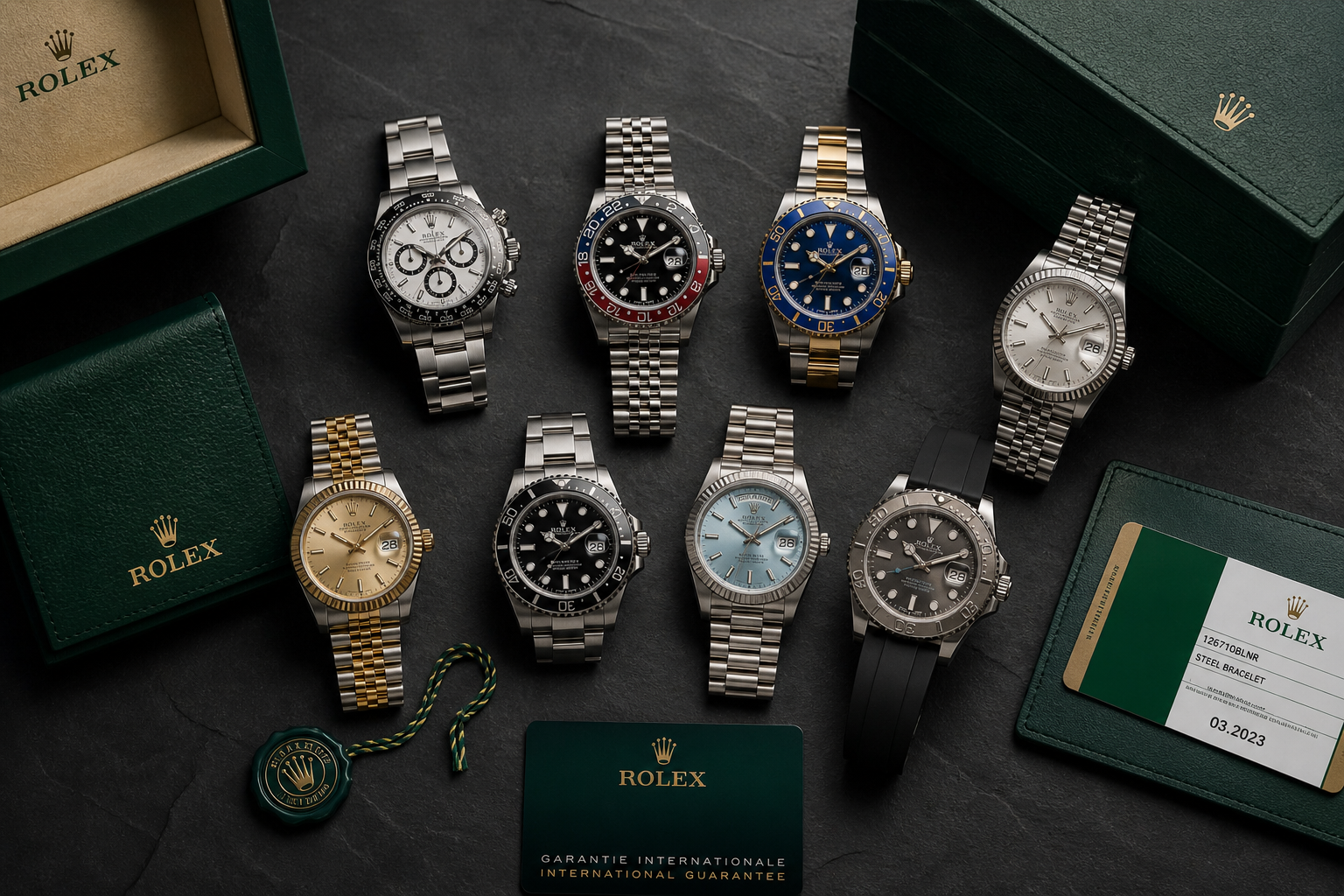
The buyer who approaches the pre-owned market today has access to tools that didn't exist ten years ago. Reference databases that document what every dial variant should look like. Serialization records that date production to specific years. Community knowledge that surfaces common issues with specific references. The information asymmetry that once favored sellers has narrowed significantly.
What hasn't changed is the fundamental dynamic: more people want certain Rolex watches than Rolex produces. That gap is what the secondary market exists to fill. It filled it when Ermitage opened in 2000, and it's filling it at far greater scale today.
For current pre-owned prices by model and reference, see our Rolex Price Guide 2026. For analysis of which references hold value best, see our Rolex investment guide.
Browse our current pre-owned Rolex collection — Submariner, Datejust, GMT-Master II, Daytona, and more. Every watch authenticated, inspected, and warranted since 2000. Looking to sell? We buy pre-owned Rolex watches nationwide.